A lot of DAM systems are optimized for the wrong audience.
They’re built for the three people managing assets internally, not the thirty, seventy, or two hundred who need to access them. “External” doesn’t always mean outside your company — it means anyone who isn’t one of the people managing the system. That could be dealers, partners, or press, but it could just as easily be your own sales team, regional offices, or other departments that need current assets without having to ask for them.
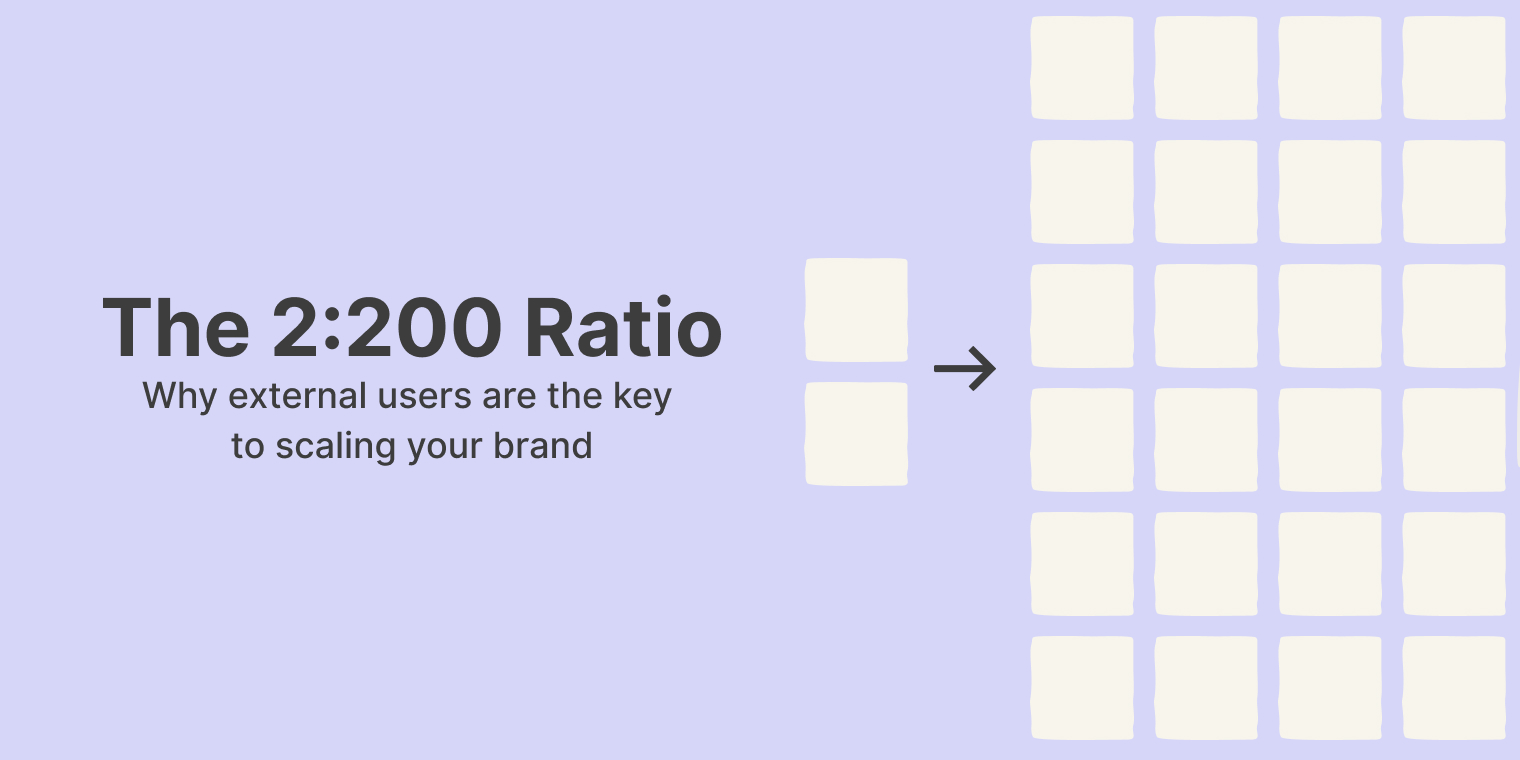
The best way to know if your DAM is backwards? Look at the user ratio. Internal users managing the system versus everyone else accessing content. If that ratio is close to 1:1 instead of 1:50 or higher, you have a distribution problem.
The Cost of Low External Usage
You’re paying for enterprise features, complex permission structures, and deep integrations.
Your team can adapt to enterprise complexity. But the dealers and partners who don’t work for you? They’ll work around your system entirely.
Searching emails for old attachments. Snagging screenshots. Doing Google searches for your brand assets.
The real cost includes staff time fielding requests that shouldn’t exist. Lost sales opportunities because a dealer couldn’t find the current product sheet. Technical debt from workarounds that become the norm.
A lot of really smart teams are paying too much for how few people actually interact with their brand assets the way they need to.
How to Audit Your Setup
If you currently have a DAM:
Check Your Ratios
Pull your usage data. How many internal admins manage the system? How many external users access distributed content?
Successful teams run ratios between 1:20 and 1:200 or higher. If your ratio sits closer to 1:5, distribution isn’t working. You need to engage more external users or identify what’s blocking their access.
Track Request Volume
Count asset requests over one week. Include Slack messages, emails, and direct requests.
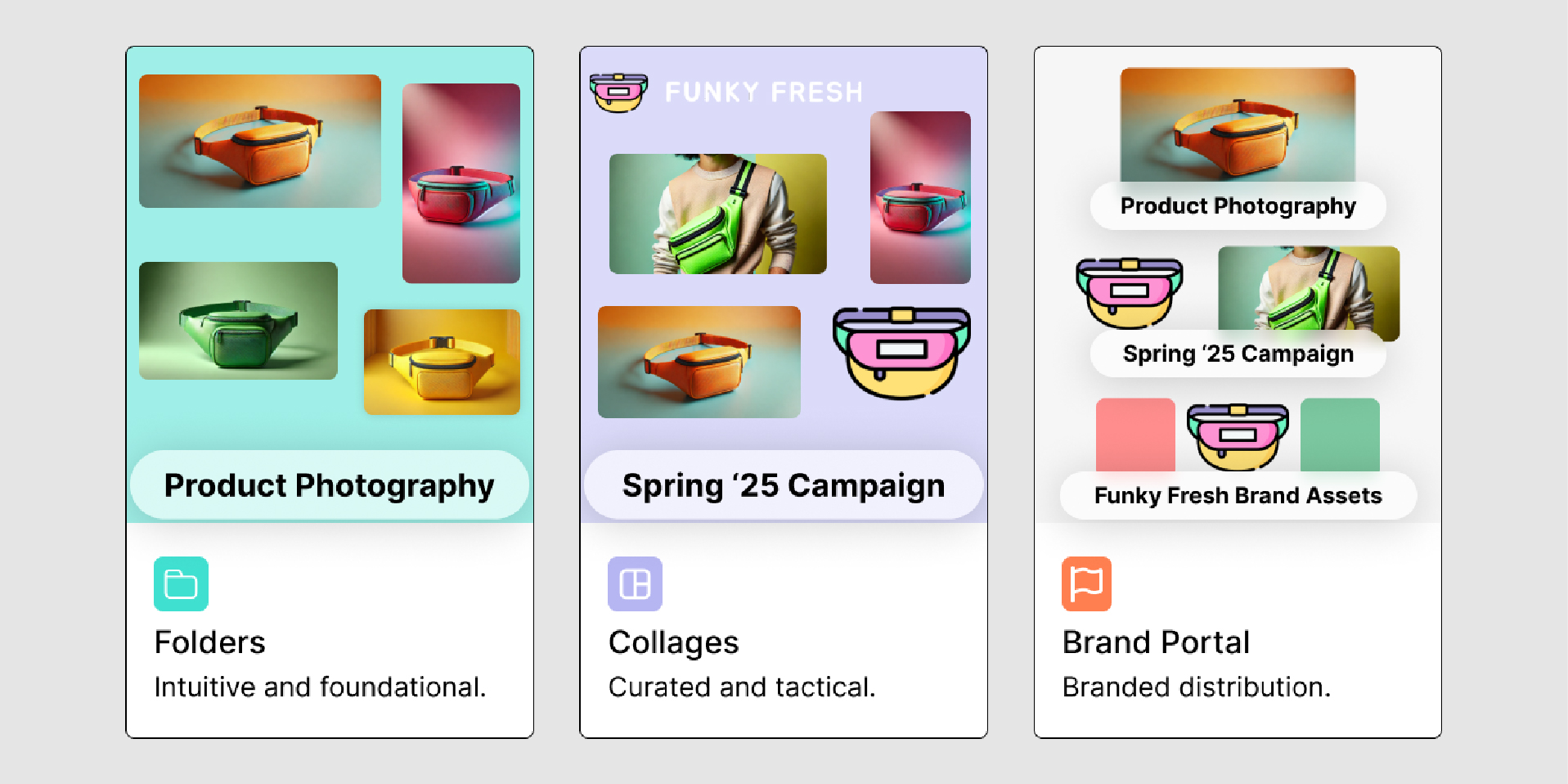
If the majority of requests could have been self-served, your distribution system is broken. Your team shouldn’t be manually fulfilling requests that a proper Brand Portal handles automatically.
Audit a Recent Launch
Look back at your last product launch or major campaign. How many channels needed those assets? Website, social accounts, partner portals, retail locations, sales presentations, press kits.
How long until all channels had the correct materials?
Successful distribution gets all channels updated without manual follow-up. If you’re chasing down updates over days or weeks, something’s backwards.
If you don’t have a DAM:
One-Week Assessment
Have your team count every ad-hoc asset request they handle over one week. Track time spent per request.
Multiply by 52 weeks. Multiply by your team’s average hourly wage. That’s your annual cost of manual distribution.
What Good Distribution Looks Like
- External users self-serve with minimal training
- Brand Portal access is frictionless — whether that’s public self-service or a straightforward login for partners and teams that need it
- Request volume drops significantly after implementation
- Brand shows up correctly in channels you don’t control
- Admins can see what’s being accessed, by which users, and whether assets are actually being used
- The key metric: internal teams should spend more time creating assets than distributing them
Next Steps
Share these findings with your team and leadership. Calculate the real cost of manual distribution.
If you’re building the business case for change, remember this isn’t about replacing a broken system. This is about matching your tools to how your content actually moves.
The audit numbers don’t lie. If your external usage is low, your DAM is backwards.
Want to see what distribution-first looks like in practice? Collage is built around external distribution from day one. Brand Portals, CDN-backed updates, and self-service access that actually works. Request a demo to see how teams are using Collage.